
Pharmacognosy Reviews, Vol 3, Issue 6, 2009

Volume 3, Issue 6
2009
Pharmacognosy Reviews [Print -An Open Access, Peer Reviewed Journal in the field of Pharmacognosy, Online -An Open Access, Peer Reviewed Journal in the field of Pharmacognosy] -
Browse Issue :
Frequency: Quarterly (2 issues/year)
Browse Contents:
ISSR (Inter Simple Sequence Repeat) is one of the popular techniques of DNA fingerprinting because of several reasons. In many fields, ISSR markers have proved their utility. There are many applicatio...
Rasayana is one of the eight clinical specialities of classical Ayurveda. Rasayana replenish the vital fluids of our body, thus keeping us away from diseases. The rasayana therapy enhance the qualitie...

Microsatellites are randomly interspersed within eukaryotic genomes. These are also known as SSRs (Simple sequence repeats), STRs (Short tandem repeats), STMs (Sequence tagged microsatellites), and VN...

Herbs have been the highly esteemed source of medicine throughout human history. They are widely used today indicating that herbs are a growing part of modern, high-tech medicine. About 25-30 percent...

India is the largest producer of medicinal plants and is rightly called the “Botanical garden of the World”. The medicinal plants, besides having natural therapeutic values against various diseases, a...
Nutrients, herbals and dietary supplements are major constituents of nutraceuticals which make them active in maintaining health, act against various disease conditions and thus promote the quality of...

World is rich in medical lore. Plants are the basis of life on earth and are central to people's livelihoods. The use of plants in religious ceremonies as well as for magic and medicinal purposes is v...
The review includes 154 references on the genus Chenopodium covered up to December 2008 and has been compiled using references mainly from Chemical Abstracts and Pubmed. This article briefly reviews t...

Dalbergia is a genus of trees, shrubs and woody climbers widely distributed in tropical and sub- tropical regions. It possesses immense traditional application. Various species are widely used as anal...

Herbs have always been the natural form of medicine in India. Medicinal plants have curative properties due to presence of various complex chemical substances of different composition which contain se...
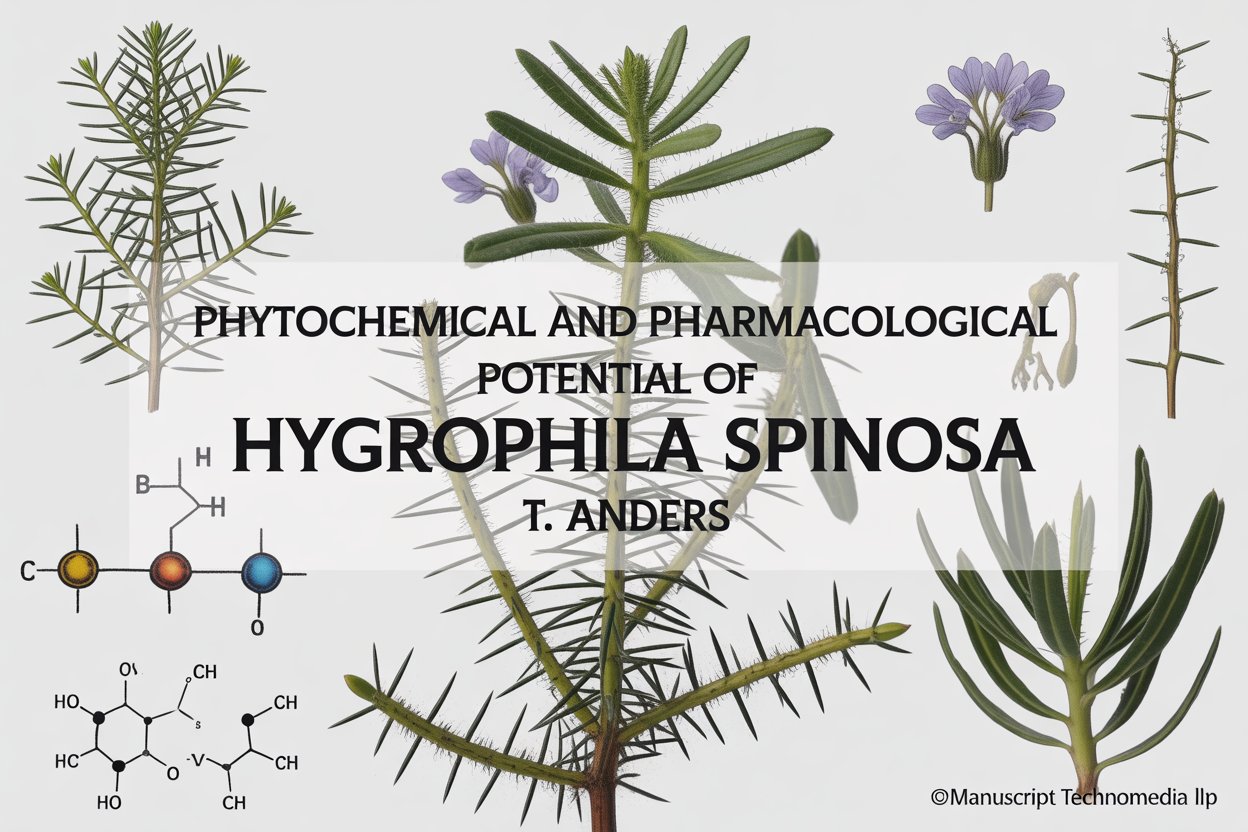
Hygrophila spinosa T. Anders (Acanthaceae) is described in Ayurvedic literature as Ikshura, Ikshugandha and Kokilasha “having eyes like Kokila or Indian cuckoo”, common in moist places on the banks of...
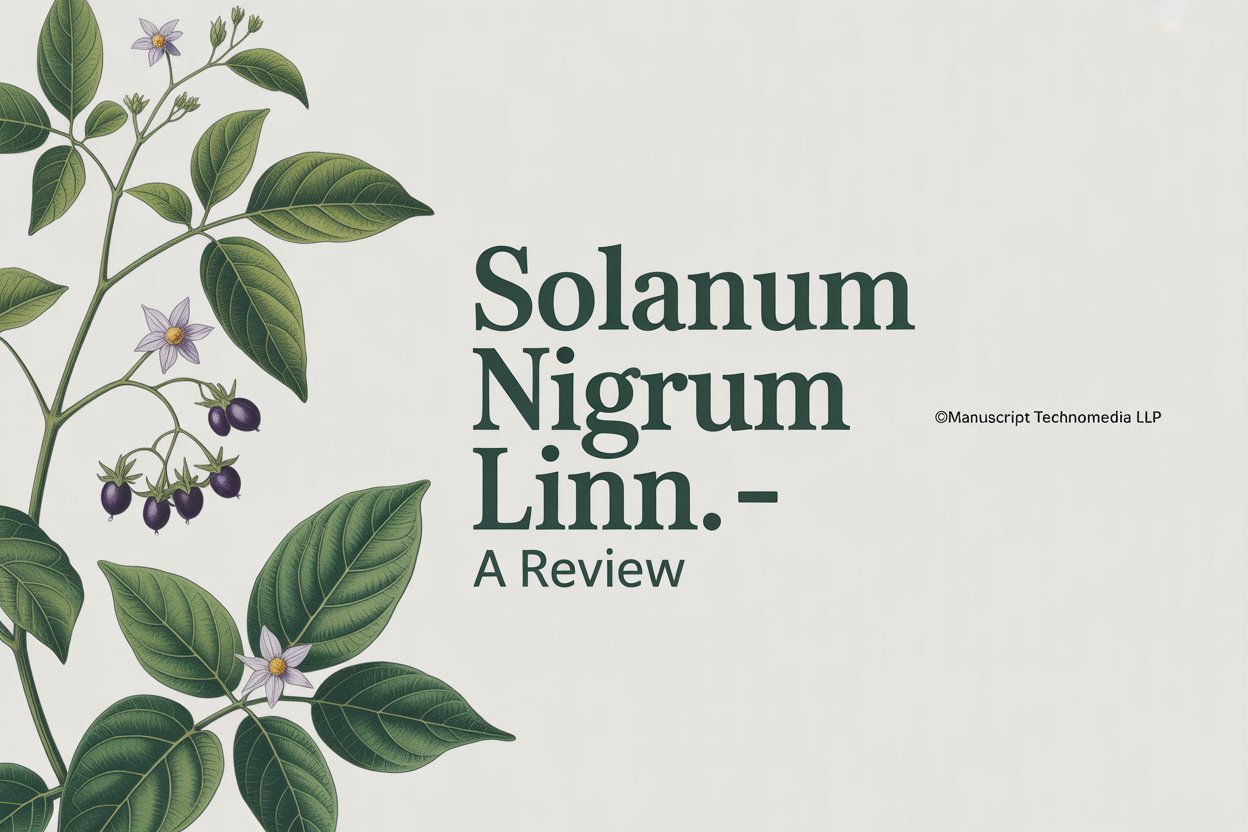
Solanum nigrum Linn. (Solanaceae) commonly known as ‘Black nightshade’ that have been extensively used in traditional medicine in India and other parts of world to cure liver disorders, chronic skin a...
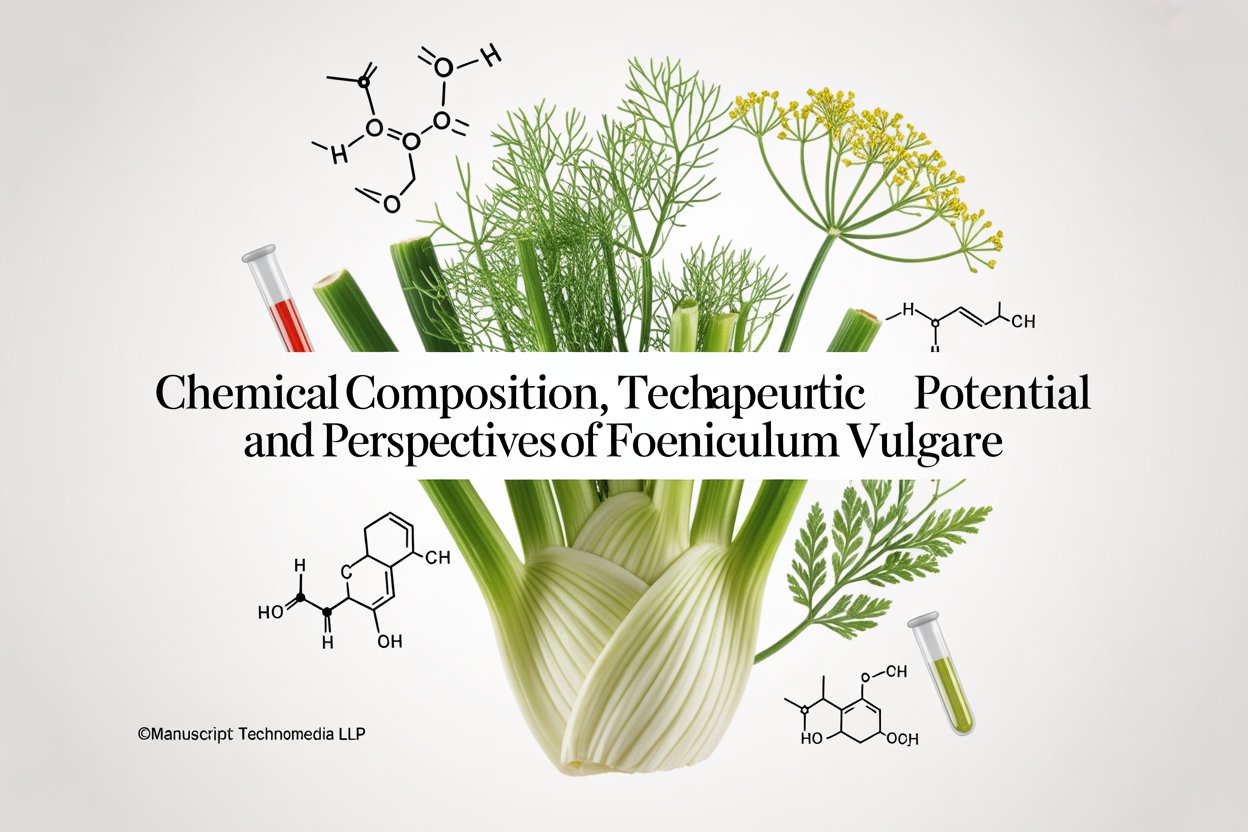
Foeniculum vulgare is a widely distributed plant in most tropical and subtropical countries and have long been used in folk medicines to treat obstruction of the liver, spleen and gall bladder and for...
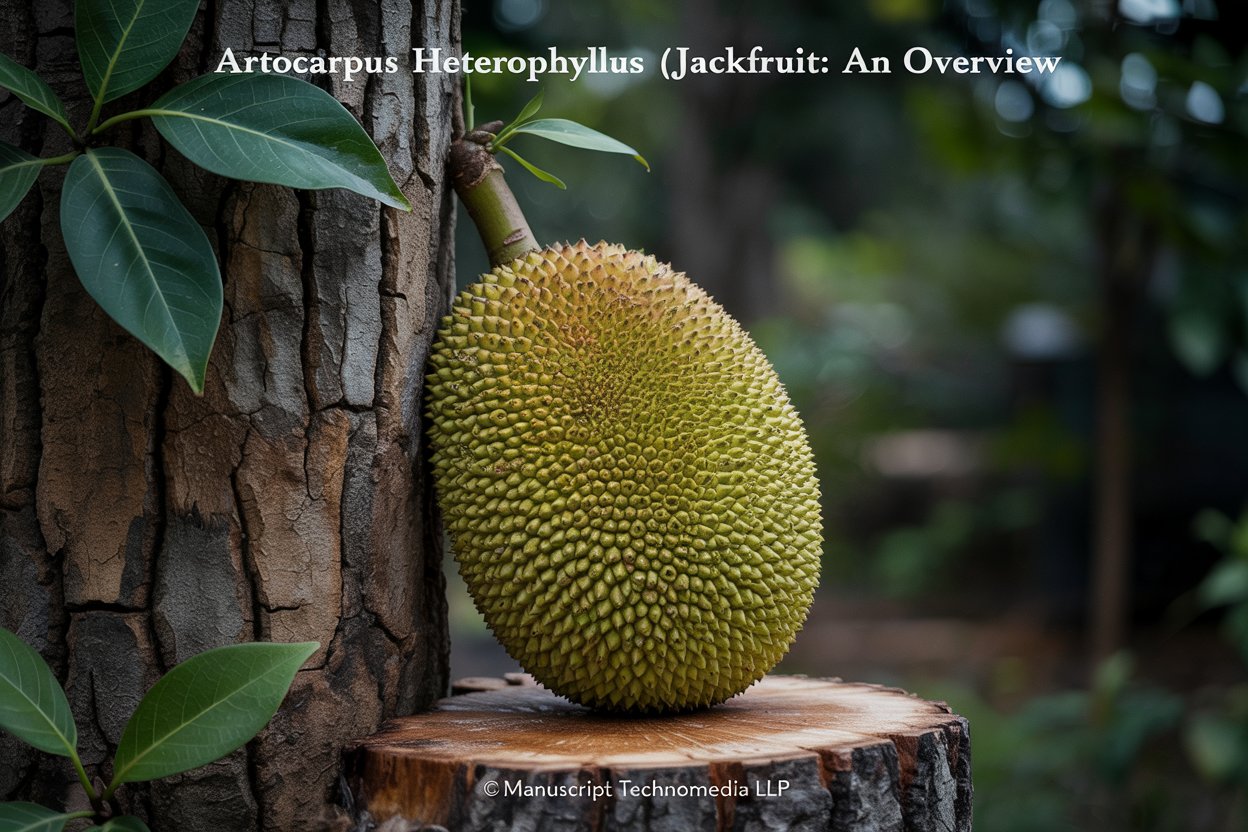
Artocarpus heterophyllus (Syn. Kathal) belonging to family Moraceae is an integral part of common Indian diet and is freely available in Indian and adjoining continents, its medicinal properties are a...
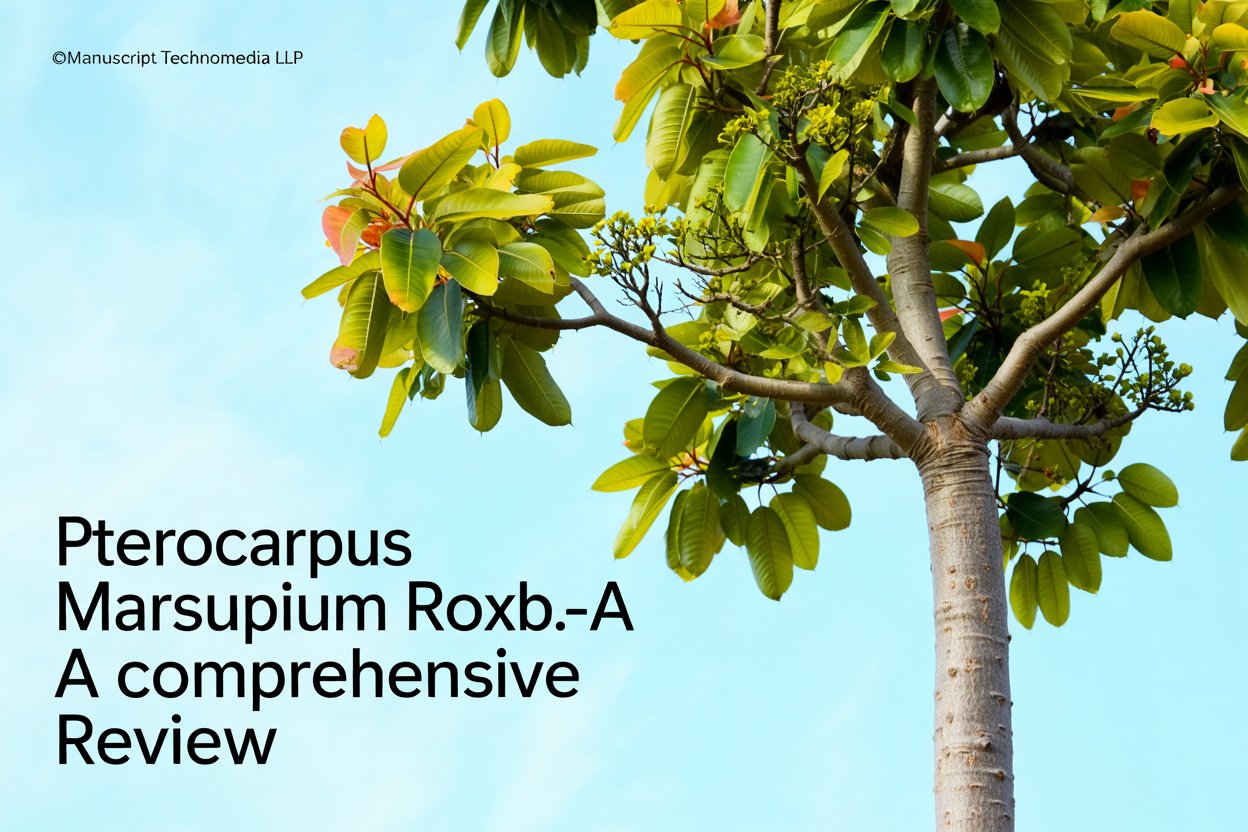
The Pterocarpus marsupium belong to family Fabaceae and is widely distributed in central, western and southern regions of India. The role of Pterocarpus marsupium as anti-diabetic has been very well e...
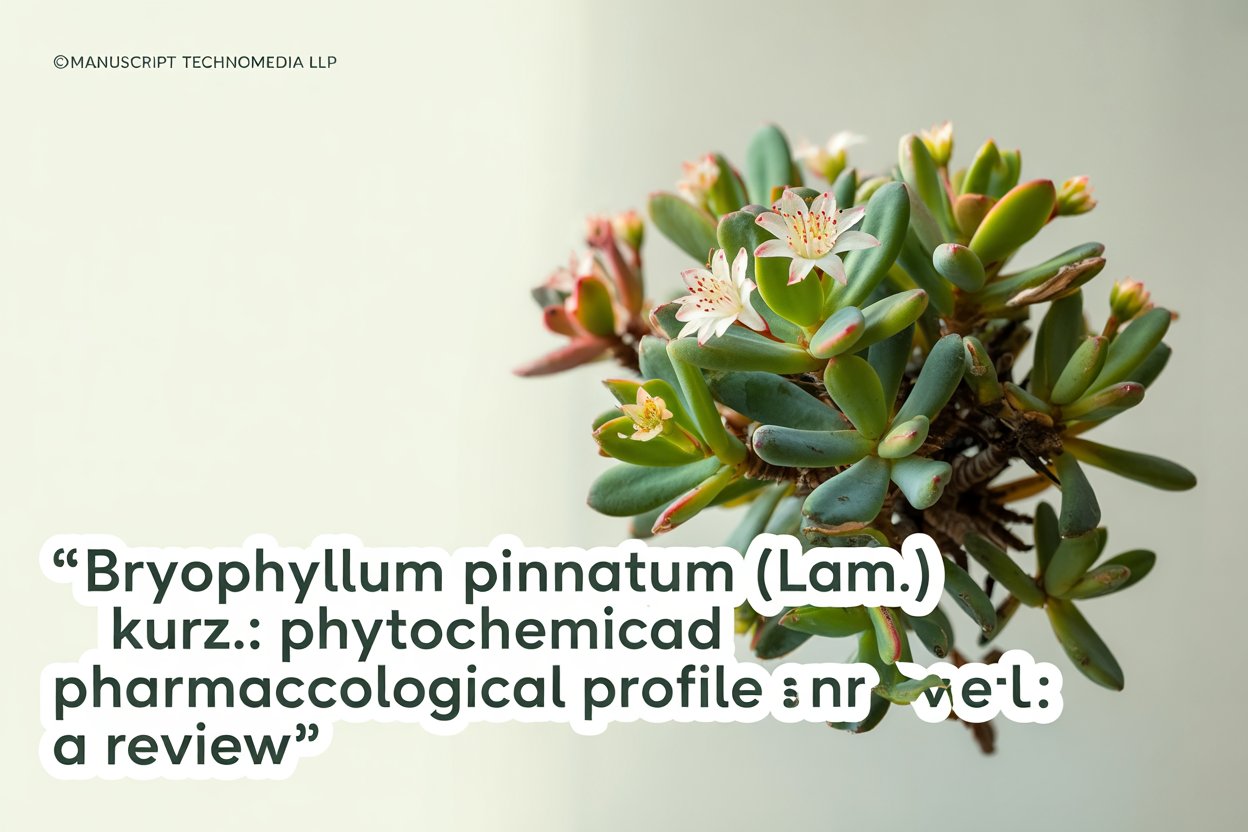
Bryophyllum pinnatum (Lam.) Kurz ( Crassulaceae) is a perennial herb growing widely and used in folkloric medicine in tropical Africa, tropical America, India, China, and Australia. The divine herb co...
Various herbal drugs individually or in combination have been recommended for the treatment of different disease. The C.congesta commonly known as “karanda” has been recognized in different system of...

Medicinal plants are the nature’s gift to human being to make disease free healthy life. It plays a vital role to preserve our health. Capparidaceae family comprises various important medicinal proper...