
Pharmacognosy Reviews, Vol 21, Issue 41, 2027

Volume 21, Issue 41
2027
Pharmacognosy Reviews [Print -An Open Access, Peer Reviewed Journal in the field of Pharmacognosy, Online -An Open Access, Peer Reviewed Journal in the field of Pharmacognosy] -
Browse Issue :
Frequency: Quarterly (2 issues/year)
Browse Contents:
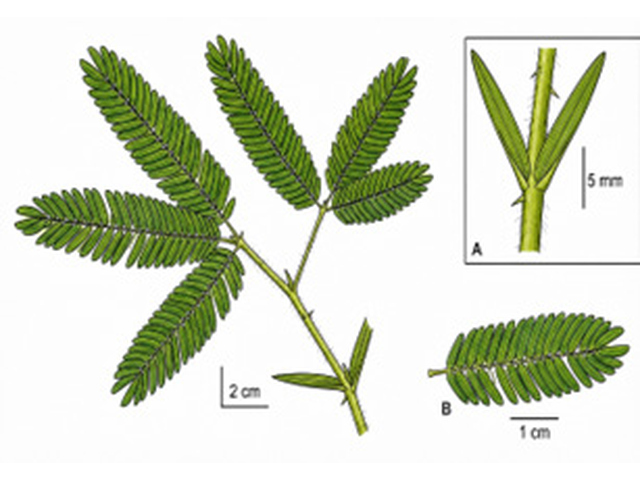
ABSTRACT: Mimosa pudica Linn., belonging to Fabaceae family is well known by its unique seismonastic movement of leaves and a variety of therapeutic uses. The plant has a wide range of pharmacological...
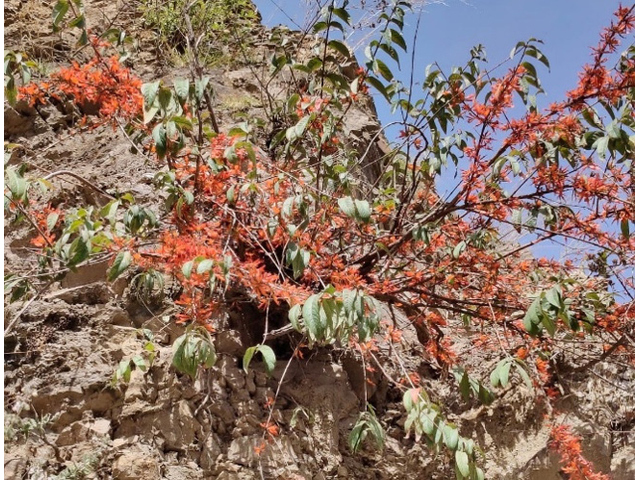
ABSTRACT: W. fruticosa categorized from family "Lythraceae" and it is also known as "Fire-flame bush" and it grow in tropical and subtropical regions. It occurs in Africa, Middle East and Asia. Accord...
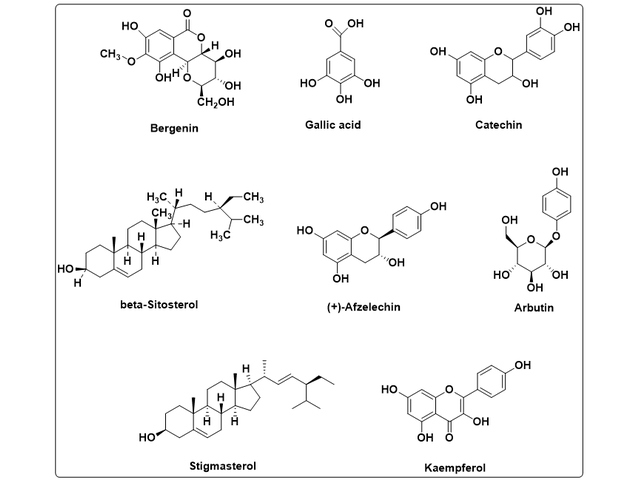
ABSTRACT: Bergenia ciliata (Haw.) Sternb, is generally known as Pashanbheda, is a perennial medicinal herb commonly found in Himalayan region. Traditionally the plant has been used in the treatment of...
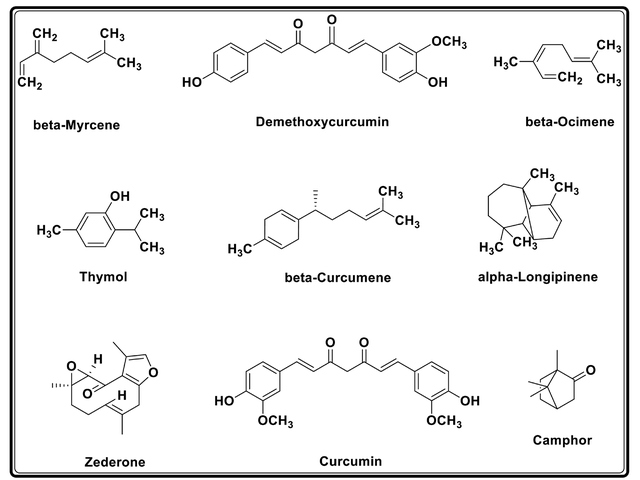
ABSTRACT: The genus Curcuma (family Zingiberaceae) contains more than 100 species which are mostly found in tropical and subtropical regions. Curcuma amada Roxb., is one of the most important species...
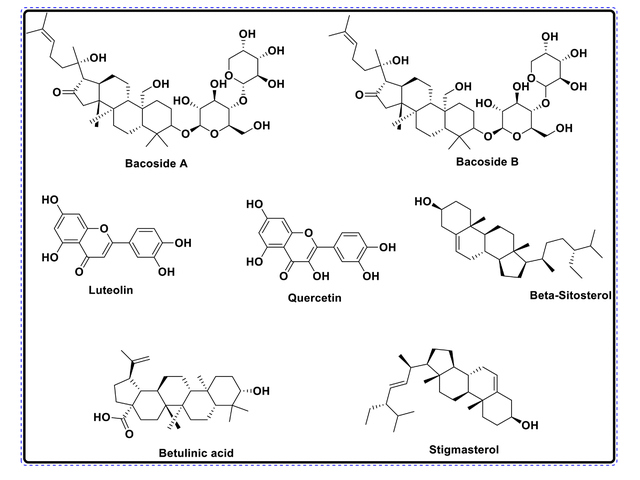
ABSTRACT: B. monnieri, an herbal plant also referred to as brahmi, is an herb with medicinal and pharmacological active plant in traditional Indian medicinal history which has been broadly used in the...
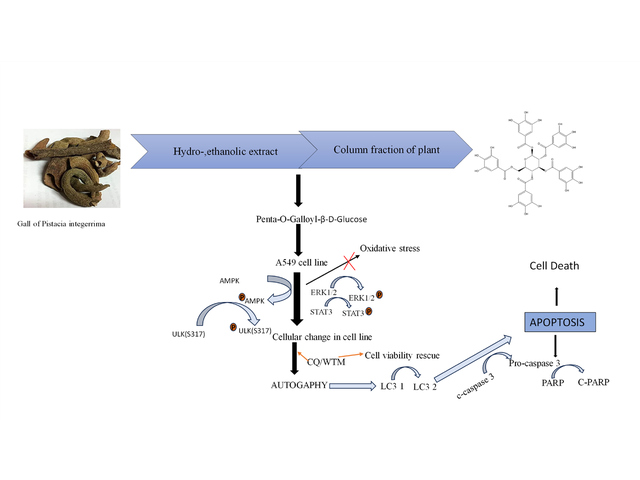
ABSTRACT: Due to their broad range of therapeutic potential, low cost, and comparatively less side effects than manufactured medications, medicinal plants gained significant attention, among medicinal...
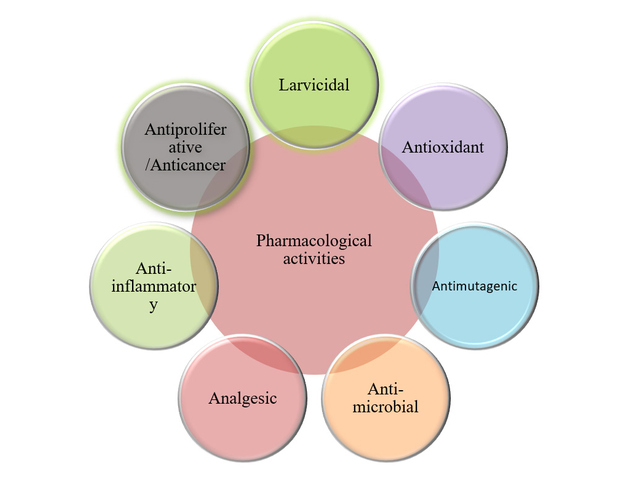
ABSTRACT: Pyracantha (Rosaceae family) is the name of evergreen shrub plants that are widely spread in Asia and Europe, and it is traditionally utilized in folk remedy to treat several diseases. Vario...
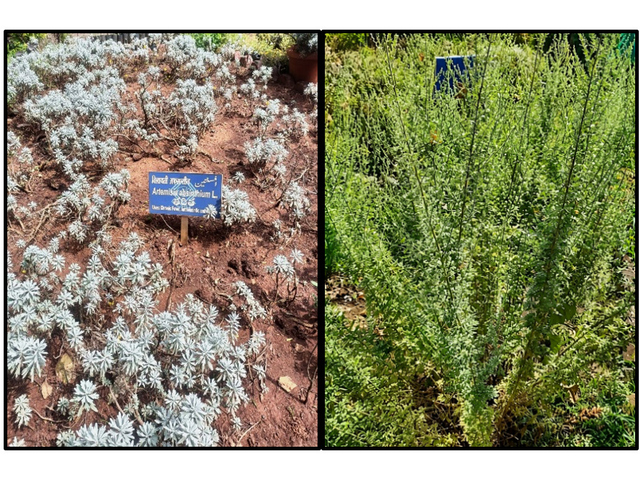
ABSTRACT: Artemisia absinthium L. (Wormwood), a medicinal herb of the family Asteraceae, has been extensively used in traditional systems of medicine, particularly the Unani system, for the management...
ABSTRACT: Plants have been recognized as a very useful and important source of drugs, since time immemorial. However, in the present day, context, usefulness of plants has been questioned, on the grou...
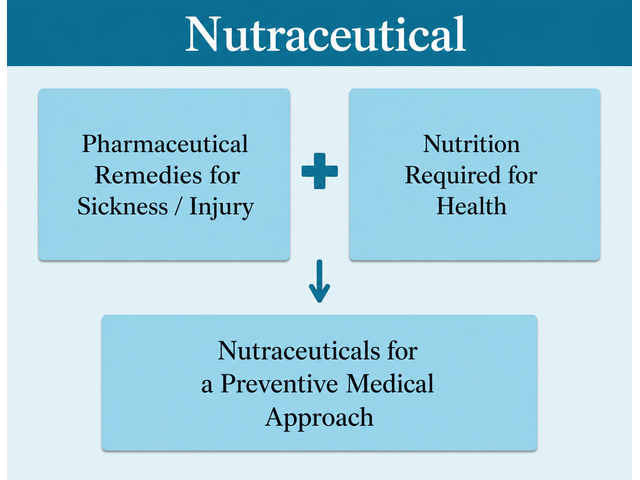
ABSTRACT: Nutraceuticals combine nutritional benefits with biologically active components that may support health and help reduce the risk of certain health disorders, with plant proteins from legumes...
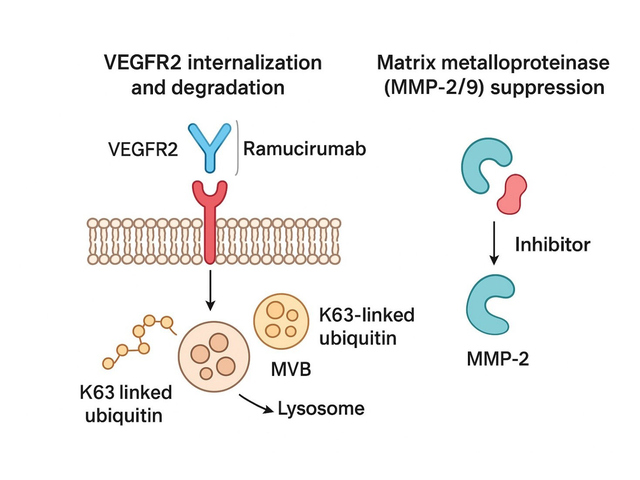
ABSTRACT: Brain tumours, particularly Glioblastoma (GBM), remain among the most aggressive malignancies because of profound molecular heterogeneity, Blood-Brain Barrier (BBB)-restricted drug delivery,...
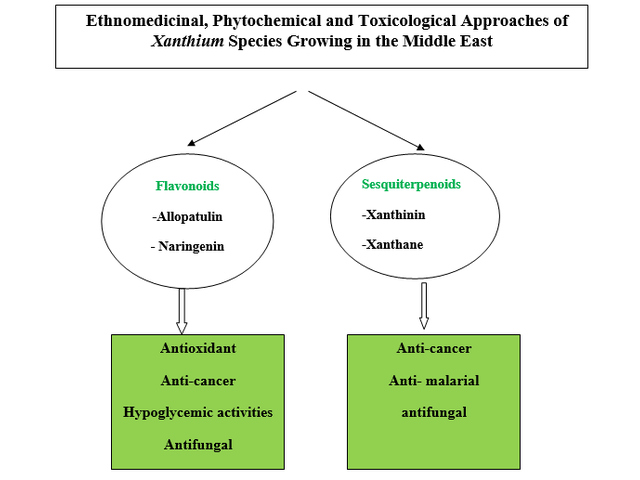
ABSTRACT: Genus Xanthium (Asteraceae family) consists of 25 species that are distributed worldwide. Among these, only a few species, such as Xanthium strumarium and Xanthium spinosum have been extensi...
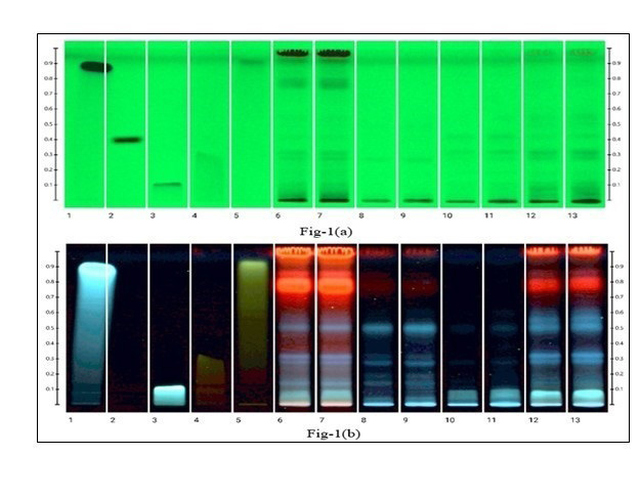
ABSTRACT: Brassica sp., including kale, cabbage, broccoli, and cauliflower, contains bioactive compounds like flavonoids and phenolic acids, which make them nutritionally and therapeutically valuable....
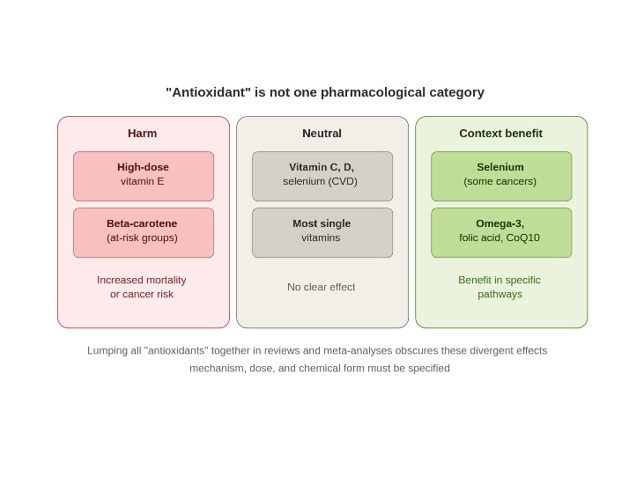
Dear Editor, outcomes-so the label “antioxidant” spans agents that harm, agents that do nothing, and agents that help, depending on the endpoint. Reviews and meta-analyses frequently pool diverse comp...